Barabra Hammer is, in her own words, one of the truly great “visual poets”. A cinematic pioneer, her long career saw her forcibly pull cinema forward through her boldly striking, romantic, erotic, and reflexive work that primarily focussed on herself and other lesbians. She made experimental, often sensual, cinema, presenting with the sapphic body and life, in unprecedented ways. Alongside her cinematic output she spoke and wrote widely, leaving a legacy that exists beyond her visual work. She became emblematic - a figurehead of a new sort of liberated, visible, and present queer person; a person that was in community, that allowed that community to see itself, to speak to itself, and to promulgate its own stories.
In Barbara Forever, directed by Brydie O'Connor, we follow many of these overlapping threads of her life through a medley of archive footage, interviews, and a significant amount of narration by Hammer herself, who died in 2019. The film constructs a loose chronology of her life. We quickly find out that Hammer, much to her own amusement, came out as a lesbian in her early 30’s after being married to a man, then we hear of the beginning of her early cinematic forays, and then her geographic travels, from her birthplace of Los Angeles, to teaching in San Francisco, to her eventual (perhaps inevitable?) settling in New York City, where she began her enmeshment in the artfilm world throughout the 1980s.
As the film continues we expand outside Barbara’s personal retelling. Through an extensive set of interviews with Barbara’s partner Florrie Burke, who is also the keeper of her archive, and a separate set of interviews with collaborator and mentee Joey Carducci, we are given a broad and discursive examination of her chronological life and output. It is in this extended exploration of Barbara’s life and work, of her impact on people both immediate and public, the film really begins to show its true goal.
For it is clear that the film seeks to be more than a purely informational object. Barbara Forever seeks not just to tell us the great winding life of a much-feted filmmaker; it is a film that is in conversation with Hammer’s work and its wider impacts. It seeks to celebrate queer joy and representation - to simultaneously continue to uphold Barbra’s legacy and to joyously celebrate Barbara herself.
Barbara as a subject is an intriguingly externalised person. Her art held a bounty of self-examination, self-representation, and self-expression. Its liberatory aspects were rooted in the representative nature of her films - of the way they were a personal confiding in the audience, while reflexively understanding their immediate canonical position as films that featured lesbian sensuality and expression in new fashion. Throughout this film we find that there are plenty of self expressed ideas through her art, through her writing, through talks, but a hidden capacity too - we saw what the artist saw, what she confessed to on the screen, what her interests were - mediated by her immediate understanding of her positionality in the history of American cinema.
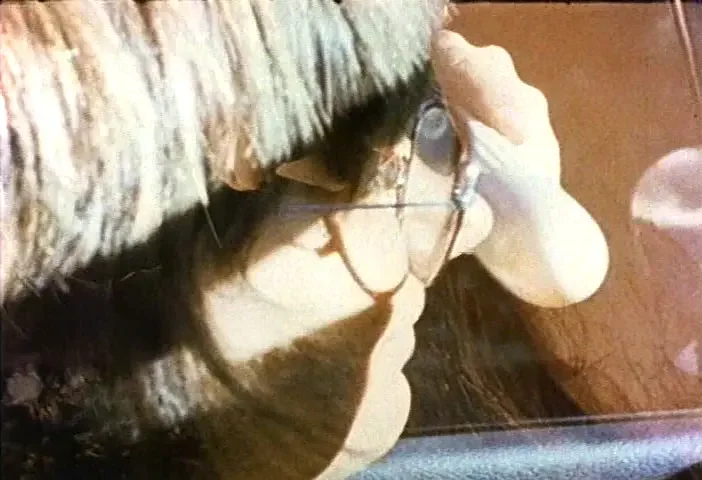
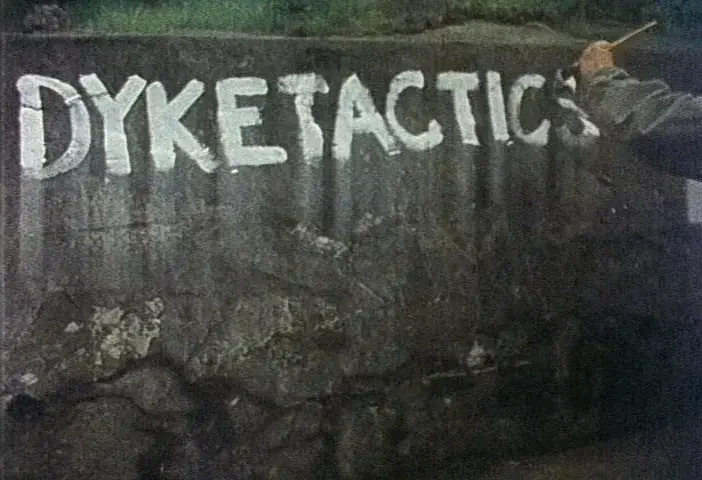
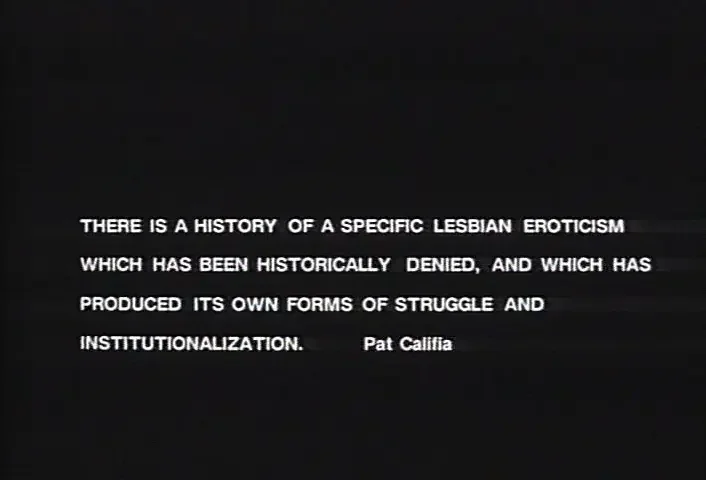
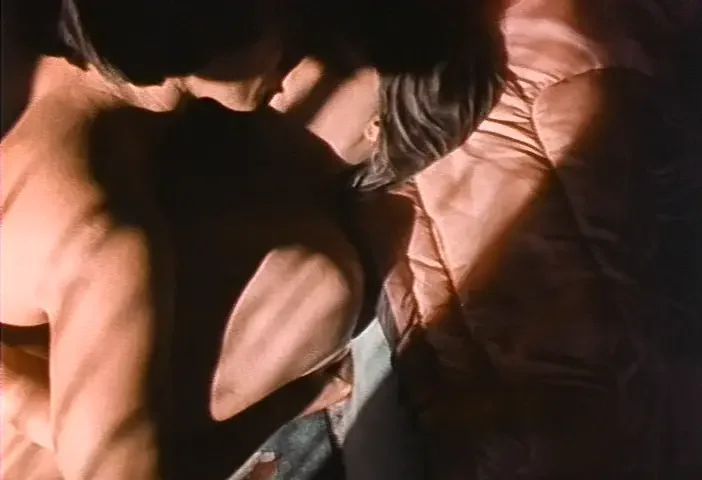
Barbarara Forever’s focus, both in its specifics and broader ideas, on Hammer’s 1974 short Dyketactics encapsulates this dual feature of her work. The documentary does what it is obliged to - we are shown the place of filming, told the story of that weekend away with friends, the loose intentions of the filmmaker, and, due to the discrete runtime of the short, we are even shown a fairly large amount of the short itself. Perhaps most specifically though, we are given the context of what had, or rather, what hadn’t come before. There is a joyful charm in the recollection, of the radical and the nostalgic blurred together.
In its time Hammer’s work was revolutionary, rebellious, critically risque. If made now some of her filmography would appear to be beautifully mundane - because of the positive steps that have been taken in queer liberation, queer representation, and the ability for more and more queer stories to be told by queer people.
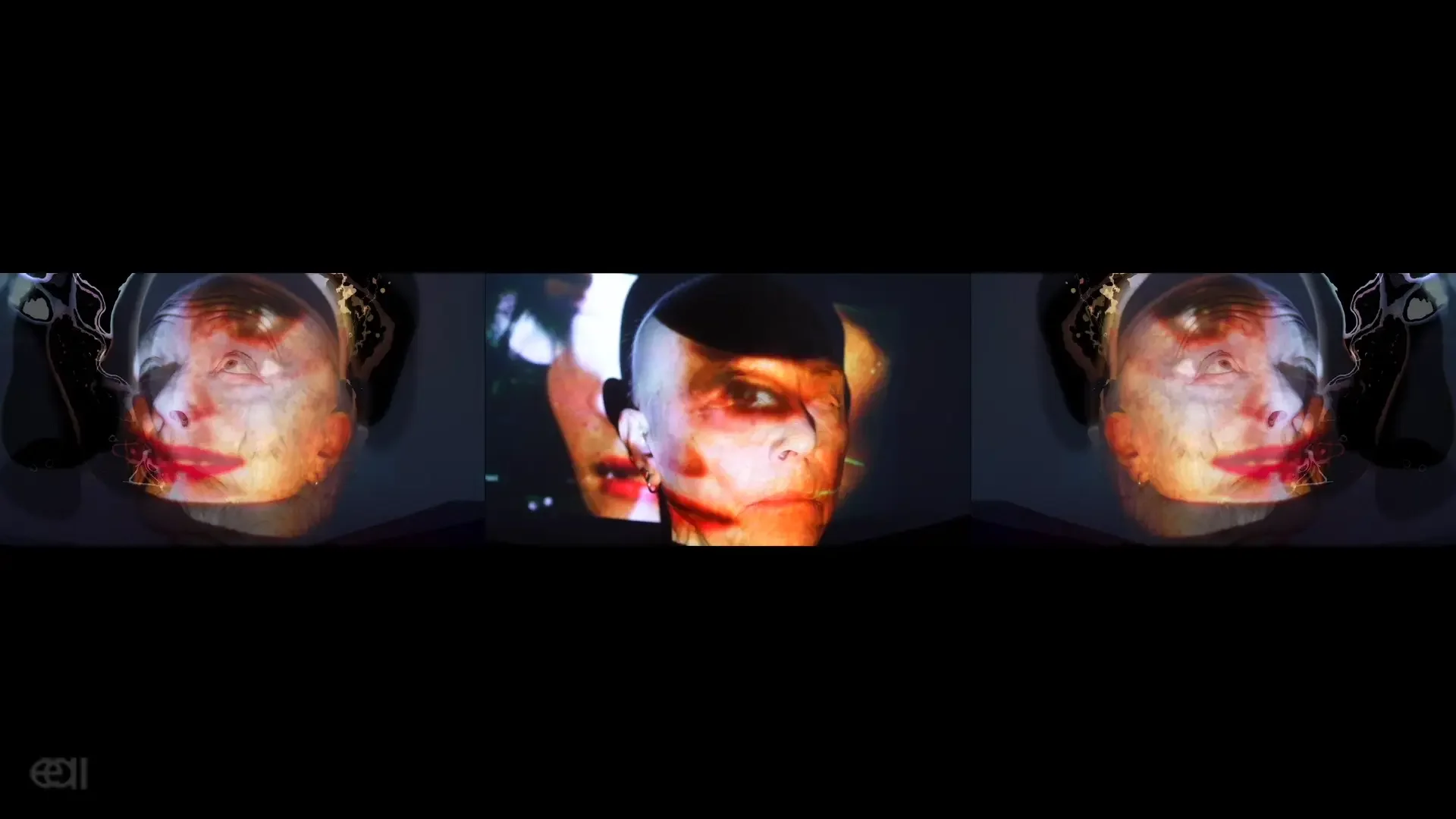
As the film progresses we are shown shown her later life, up until her final days. Diagnosed with a terminal illness, Hammer set about documenting her newly medicalised existence. Hammer quite literally embodied an idea of life as performance, of life as art. Her life was a process of continuous pipeline of private-to-public discovery. Her 2018 work, Evidentiary Bodies, features shots of her nude form lying naked, slowly moving, as well as x-ray scans of her form. We see her figuratively dissected - her understanding of her body, her body as a place of radical transformation and liberation, reformulated thanks to circumstance and the strange totalising of the Western medical complex. This then almost mimicked in this latter part, showing the changes to her body through age and illness.
Barbara Forever is a film that is not just interested in reporting on a topic. It is in dialogue with the artist. Several sequences in the film blur together clips and moments in ways that also reflect and reflexively contain elements of Barbara herself - mimicking her visual style and self-confrontation. The way the light leaks, the grain, the overlaid texture, and even the montaged elements are replicated in such a way that makes the transition between Hammer’s own work and the film's stylistic flourishes sometimes vague. Unless you are going into the film demanding expositional dumping of information, this blurring is not a flaw. The film becomes a winding, ethereal document of a women’s life - by turns small and large scale, from the lecture hall to the vox-pop on-street interview.
We are learning about Barbara posthumously, from those who knew her well. Perhaps because of the intimacy and closeness they shared they’re less likely to litigate certain things; to not speak ill of the dead. Or perhaps this documentary is simply less concerned with attempting to reconcile all of someone’s politics over an entire lifetime of public address and learning. The film loosely attempts to grapple with some of the other questions a discerning audience member might have, but somewhat hagiographically dodges areas of frictional politics. There is no doubt Hammer was a powerful progressive force, working during a period of significant public change in queer acceptance and liberation in the western world, and so it fair to say that her work, thoughts, and writing is reflective of an era of radical politics when widespread notions of intersectionality were yet to gain the recognition they deserve
We see a single brief snippet from one of Hammer’s early vox-pop documentary works, where she speaks to a black queer woman at a march about the lack of representation of black queer voices in the movement. We don’t see this go further. We see sequences that interview Joey Carducci, a mentee, collaborator, and close friend of Barbara’s that feature a few tantalising lines about some of the Hammer’s slightly retrograde politics regarding transgender people, but it’s hard to know exactly where the personal and the public converge. Otherwise this documentary, like Hammer’s work, is mostly concerned with interiority - of introspection, or mutual introspective gazing.
The film does occasionally feel overlong, though that is clearly because there was so much to tell, and much to reflect on. Barbara Forever is a documentary that deals most exquisitely with an artist whose years of self-reflexivity push against society at large. At once contemporary, and of historical significance, a documentary that pushes its form to expand with its subject, and does so with fascinating and compelling results.
If you’re looking to dive into some of Barbara work, especially those with focus in this film, here is a starter list:
Dyketactics - 1974, 16mm film, 4 min, Colour/Sound.
History Lessons - 2000, 16mm film, 66 min, Colour/Sound.
Generations - 2010, 30 min, 16mm - stitch together of two edits of the same filming, Barbara’s and Joey’s, Colour/Sound.
Evidentiary Bodies - 2018, 9:30 min, three-channel HD video, Colour/Sound.
BARBARA FOREVER
⋈
BARBARA FOREVER ⋈