So in this, the second issue, of monotone mag we are focussing on queer cinema. Queer stories, written, told, directed by queer people, queer characters played by queer actors. Stories about love, loss, belonging, triumphs, confusion, the paranormal, the super normal, the strange.
But what about those films that technically don’t fit into the above but as a community we’ve claimed them? We’ve claimed them so entirely they’ve fully assumed iconic queer status.
What makes a film culturally queer? A few clues that a film is worthy of inclusion (it’s a broad umbrella) might include Camp aesthetics, yearning, sapphic undertones, character canon, secret codes, code switching…
We’ve compiled a short, extremely specific, non-extensive, starter list of culturally queer cinema, to kickstart some concepts, or at least, trigger a rewatch. We’ve laid out why they’re iconic, and how they’re queer, all with individualised camp under(or over)tone rating.
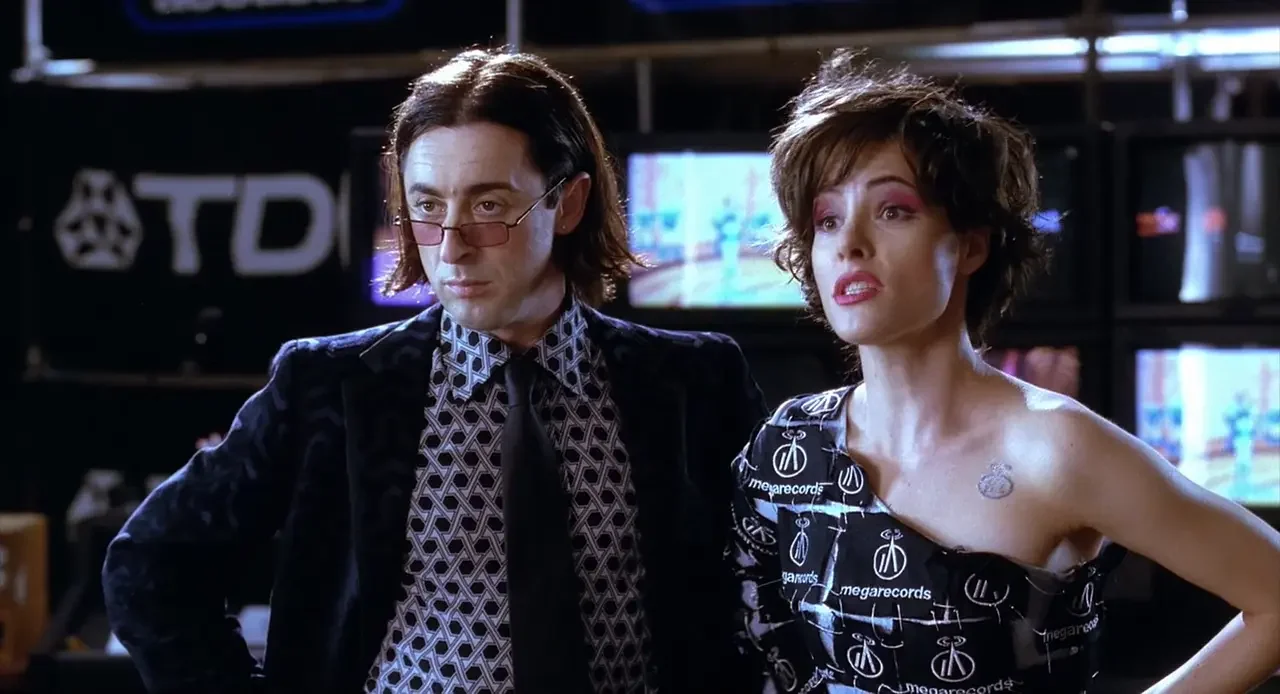
We start with glitter, guitars and girl power of Josie and the Pussy Cats. Its 2001 millennium aesthetics are writhing in queer coding. We could do a whole article on how it was ahead of its time in highlighting the exploitative nature of capitalist advertising, but that’s for another article. For now we focus on the more pressing item to hand: Alan Cumming and Parker Posey in cunty outfits coming up with evil schemes - need we say more? The iconic soundtrack, the obscene amount of glitter, and a starring role for Rosario Dawson who went on to have a career of queer coded characters, solidly places Josie and the Pussy Cats in the queer aesthetic hall of fame.
QUEEROMETRE: 4.1/5 Alan Cummings Wigs
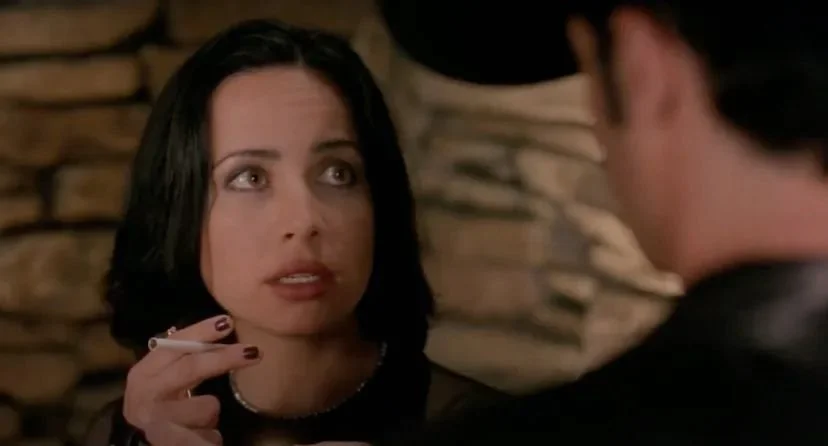
In the same tone we have Romi and Michelle’s Highschool reunion - again Alan Cumming is there being a diva. There’s Janeane Garofalo as Heather, in all black, chuffing cigarettes with a dry and despicable attitude, the pilot for lesbians in the 90s. Both films loudly and proudly proclaim their core message: being who you truly are is the best version you can be. Much like our next pick - Shrek 2.
QUEEROMETRE: 3.4/5 Matching Latex Dresses
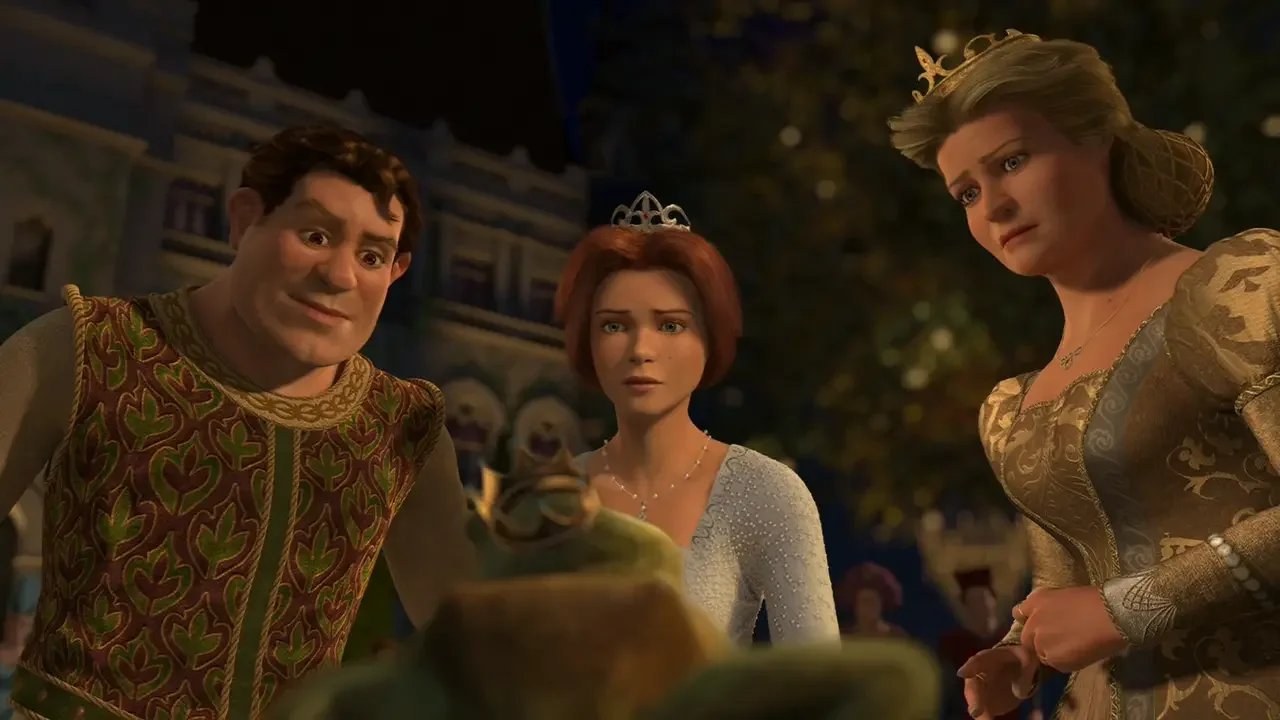
The first Shrek film is already a queer allegory. It’s a film about all the ‘freaks’ and ‘outcasts’ getting the equal rights they deserve as much as any of the ‘regular’ townspeople. But Shrek 2 ups the ante - for starters it has Pinocchio in a thong and a canonically trans innkeeper. There are many theories that Prince Charming is gay but what about Fiona’s father, the King? To us his Royal Highness is clearly a gay man, in a lavender marriage with the Queen. They can’t accept that Fiona would marry and be with someone that doesn’t fit the mold, that is, someone that allows her to be her real self. Is it because they had to marry the mold that fit their lives, rather than what fit themselves? Is it because the King’s true form was a frog or is it also because his truth is that he is gay man? The film finishes on a high, high with karaoke hosted by a Liza minnelli-esque evil fairy god mother, whose chauffeur wears a tight top bedazzled with his own name.
QUEEROMETRE: 3.8/5 Cherry Lipgloss Kisses
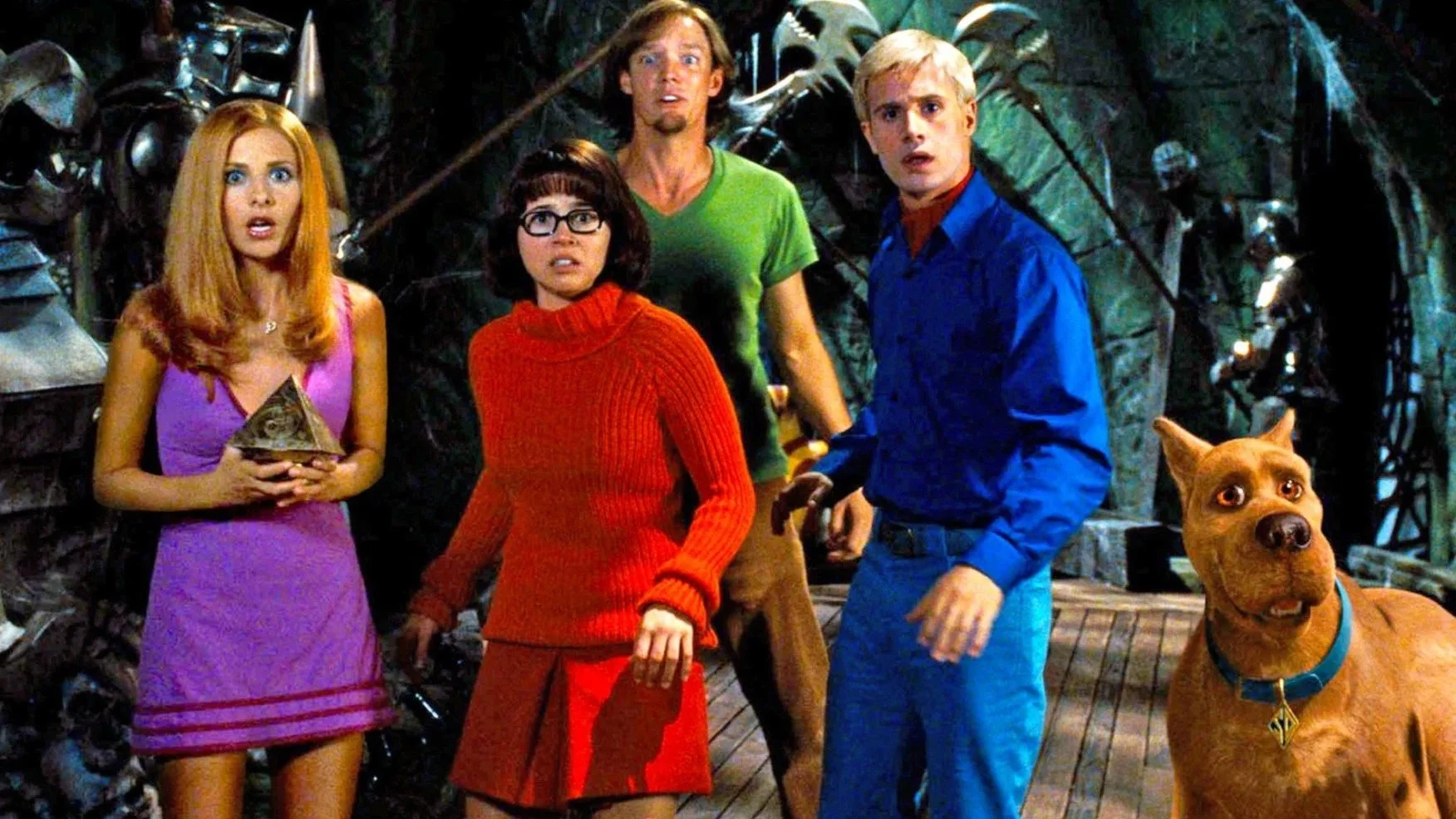
It’s just a hop, skip, and jump over to Scoobydoo and the Mystery Gang, in all its forms. Velma is a bisexual, Fred is camp, Daphne is a lipstick lesbian, and with their het friend Shaggy and his weird dog they love sticking their noses in everyone's business to uncover people's true identities. We’ve all seen this queer alphabet soup of a friend group before.
QUEEROMETRE: 3.5/5 Purple Fashion Faux Pas
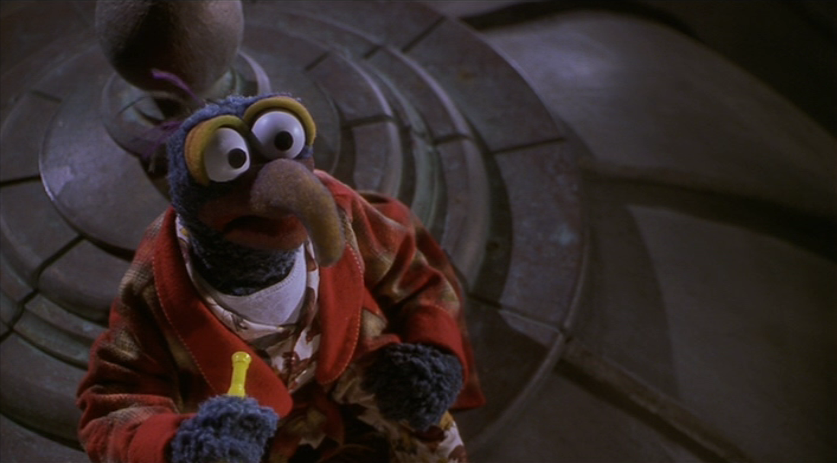
Now the next example came in as a reader submission, and we can’t agree with them more. Thanks to our reader we’ve now seen the truth: Muppets from Space is a story of non-binary acceptance. The first scene is a dream sequence where Gonzo can't get onto Noah’s Arc because he doesn’t know what he is, where he belongs or if there is anyone else like him. He’s sick of feeling like a one of a kind freak. At its core it’s a film about finding your chosen family, finding self acceptance and who you are whether it fits the molds or not. Could there be anything more perfect than the campness of the Muppets to encapsulate all of this?
On top of that central story, we get to see Miss Piggy, the diva that she is, feuding with Andy Mcdowell. So yes, Muppets from Space is a film about self acceptance and chosen family at its core, but wrapped up in the campness of the muppets, and featuring a Miss Piggy and Andy Mcdowell feud. The Muppet Lab gives us gay science: Beaker and Dr Bunsen Honeydew are very clearly infatuated with each other.
The reader that suggested this reappraising of Muppets from Space as a non-binary tale included some very compelling evidence. Non-binary themselves, they were trying to explain the experience to their mother. So they showed her the first 10 minutes of the Muppets from Space. She understood.
QUEEROMETRE: 4.4/5 Feuding Divas
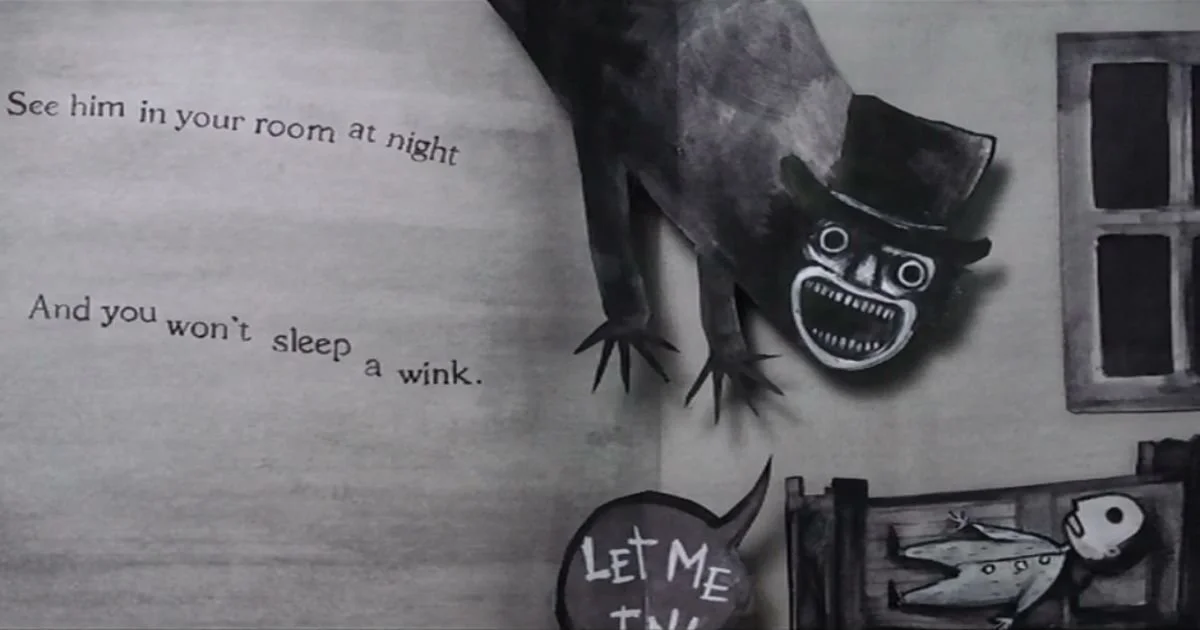
And where would we be without our sweet Babadook? This 2014 Australian psychological horror gave us queer representation in a way no one expected. His recognition as a queer iconic started on Tumblr and was fuelled by the film being accidentally included in the LGBTIQA+ section of streaming platform. Of course he’s gay, he’s a diva, a cultural icon.
We can’t say it any better than Rhianna Malas already has in How on Earth Did the Babadook Become a Gay Icon?
“On his own, he's just a bit silly, and a little bit camp. As the meme went on, that aura of menace was stripped away. He's just a drama-loving fellow with an affinity for large hats, he lives in the basement and draws little cartoons, and he has a difficult relationship with the suburban family he lives with — the queer experience in a nutshell.”
QUEEROMETRE: 3.2/5 Affinities for Large Hats
The 2010s was a time for queer liberation in some forms, with many countries legalising gay marriages. It was a hot topic so it’s unsurprising that there would be a rise of queer iconography. Maybe it’s a bit surprising that a menacing supernatural entity became one of the biggest, or maybe it’s not…
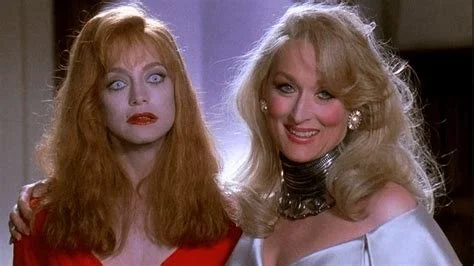
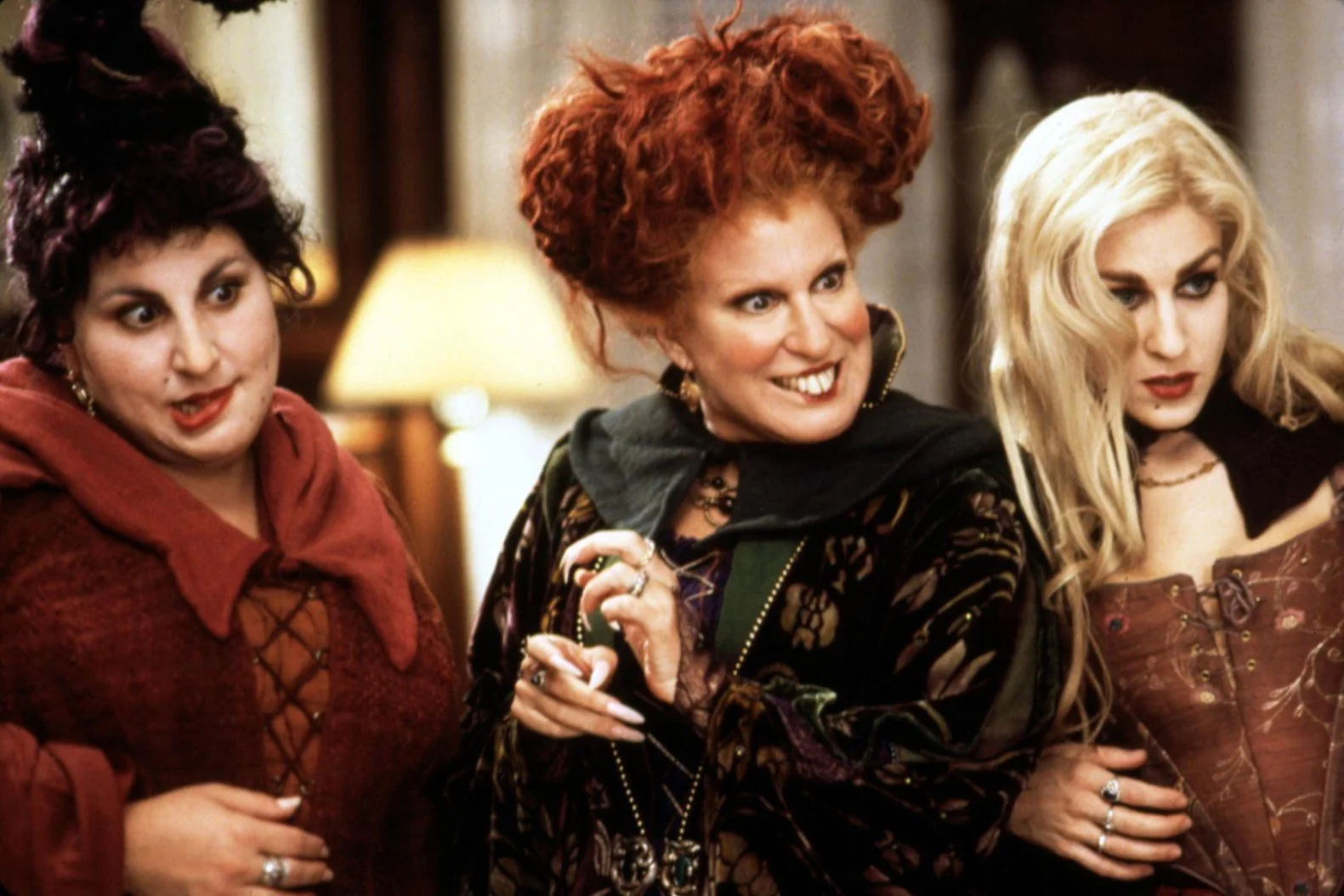
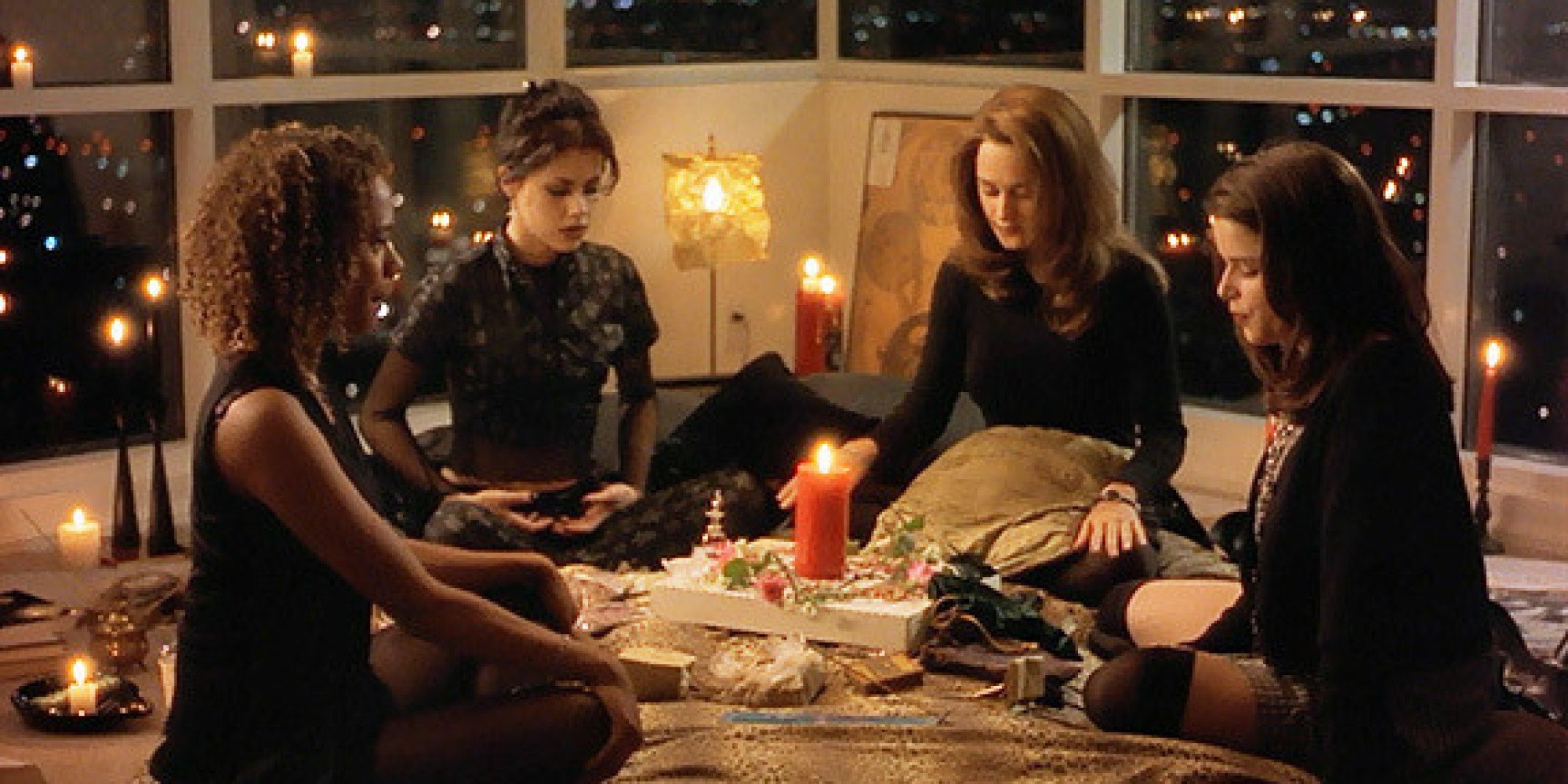
We can’t finish without acknowledging our witchy queens: Death Becomes Her, The Craft and Hocus Pocus. Three very different aspects of queer aesthetics, in spellbinding packages. Meryl and Goldie fighting love, money and fame, but really feuding over the prospect and burden of eternal beauty. There is no doubt in our mind that these two have been a key inspo in many a drag show, and for a Tony award winning musical, apparently. The Craft has high school mean girl outcasts. It’s kind of ‘yeah the girls’ but in an edgier, dykier way. Teen girls defiance and rebellion; inherently queer coded. If the same story was remade now there’s no way that Nancy wouldn’t be queer. A punk girl group was the archetype of homosocial representation of the 90s. Then there’s Hocus Pocus: less canonically impactful but it’s Bette Midler, Kathy Najimy, and Sarah-Jessica Parker leading, as flamboyant age defying witches with a comedic flare. It has all the makings to set up shop in my queer heart.
QUEEROMETRE: 3.2/5 Sweetheart Necklines
QUEEROMETRE: 3.7/5 Crystals in Your Basket
QUEEROMETRE: 3.6/5 Overhead Cackling
Horror or ‘scary’ movies often have queer intonations. Maybe it's because they’re usually on the fringes of the film world, just as many queer people feel on the fringes of the mainstream, or maybe because for a long time, and still now, it can be very scary being a queer person in this world. More and more queer cinema is coming out, and so many of those horrors not only have queer undertones but also comedic ones. One thing about queer people is we can always make a horrible situation truly funny.
This list can’t cover them all, and there are factors it hasn’t even touched but this is just a starter! Got some more you think deserve recognition? Message us at editor@monotonemonotone.com.
CULTURALLY
CULTURALLY