DRAG ON SCREEN
✰
DRAG ON SCREEN ✰
Cinema has always had a complicated relationship with drag. Nearly as long as there have been moving images, there have been men in dresses on screen. Sometimes celebrated, sometimes mocked. Sometimes both. And more often than not, made by, performed by, and written by anyone but a member of the drag community.
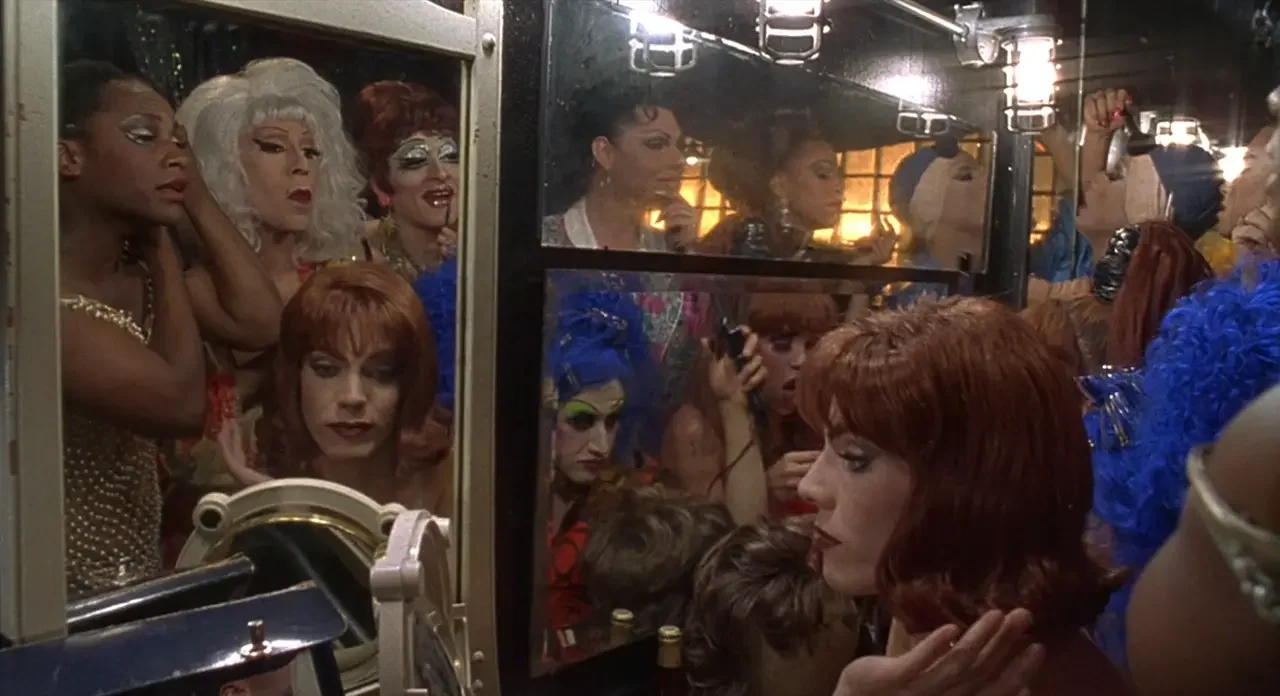
From road-trip comedies to drag balls, movies have shaped how mainstream audiences understand drag long before RuPaul's Drag Race made Queens household figures. There are a few films that stand out as the most commercially beloved of the "straight drag movie" canon: The Adventures of Priscilla, Queen of the Desert (1994), To Wong Foo, Thanks for Everything! Julie Newmar (1995), and Kinky Boots (2005). Each was made largely by straight creatives, starred straight men, and earned mainstream affection in the process.
It's worth remembering, too, how much comedy, particularly British comedy (BritCom), has long been predicated on men wearing women's clothing. From pantomime to Monty Python, the joke was often precisely that it was odd, queer in the old sense: strange, transgressive, funny because it was wrong. Drag on screen inherited some of that DNA, and some of that baggage. You could wrap Kinky Boots up in here given the typical BritCom formulaic approach, but at least the exploration of positive het/queer partnerships brings commentary on acceptance.
Mainstream representations of drag have always walked a contradictory line. On one hand, these films embraced drag and trans characters at a moment when few did. On the other, they frequently reduced their characters to flamboyance and goofiness, figures of fun first, people second.
And yet, in the critically acclaimed ones, there's a persistent impulse: the desire to reveal the humanity, the suffering, the underneath. Priscilla arguably does this most successfully, Bernadette and Mitzi's grief, the violence in Broken Hill, the quiet dignity of the final scene. Whether this "there's a real wounded person underneath" framing is itself a progressive move, or another way of making drag palatable, we are unsure.
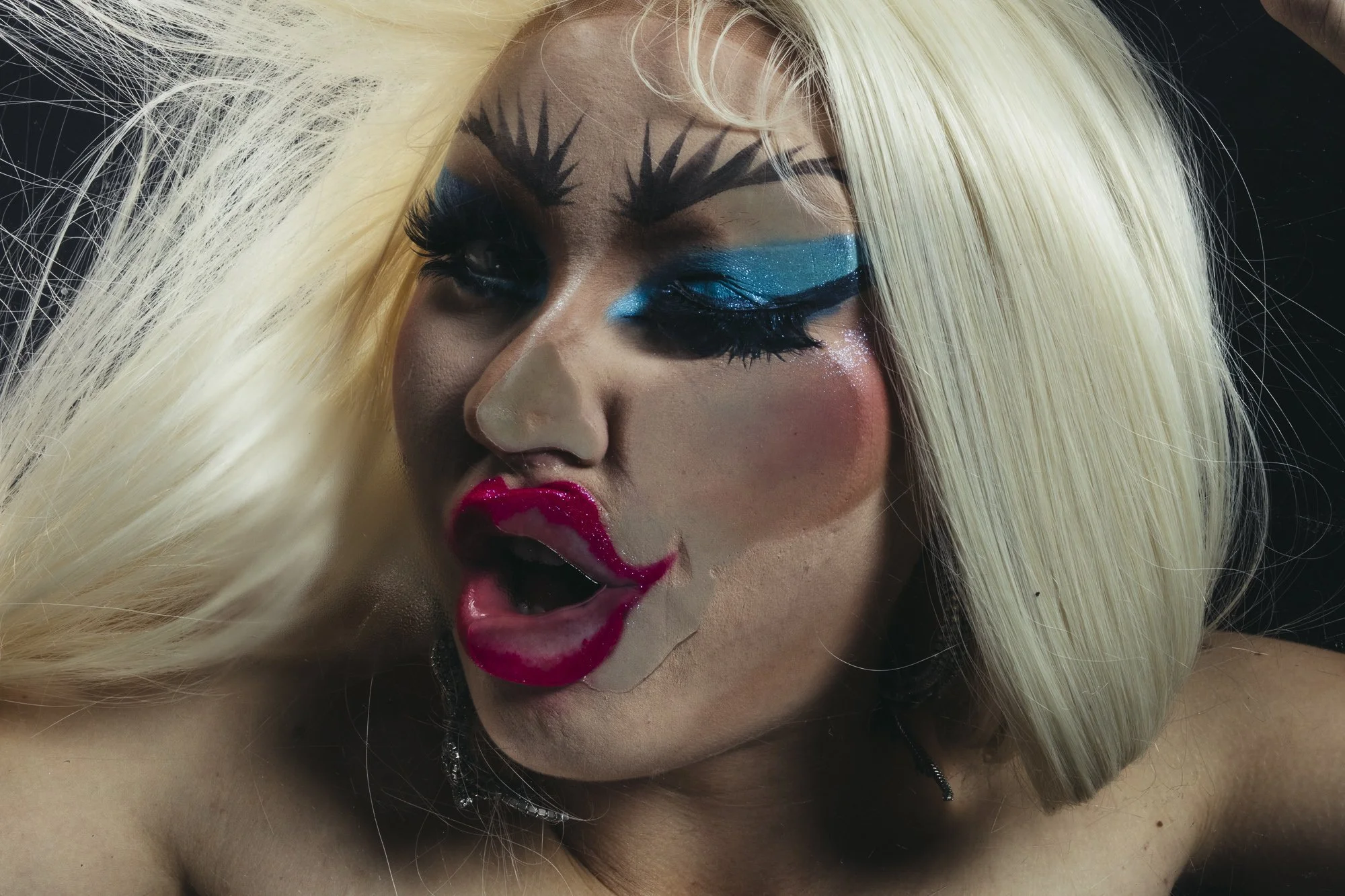
We wanted to get a better understanding from someone in the community. So we sat down with Gadigal based drag queen, Gogo Bumhole (GGBH), to ask about the remakes, the originals, and representation.
The drag community's feelings about straight-made drag films are, unsurprisingly, complicated. When I asked GGBH what everyone was saying about the now confirmed, since long-rumoured Priscilla sequel, her answer was right to the point:
"I think no one cares. Yeah. At least in my universe."
On the original film, the view was more generous, but with a clear-eyed sense of its historical moment:
"It was a very essential thing to be made when it was made. So it's like a very canonical film for a lot of us. It was made with straight male actors because otherwise it wouldn't happen, and now it's served its purpose."
That idea, served its purpose, captures a prevailing mood within the community. Films like Priscilla were necessary milestones; they are not, necessarily, models for the future.
Within the drag community, there's a running joke, or perhaps a running complaint, about the mass of cis-het film students who want to make feature films about drag queens. The drag fandom has become a market. Everyone wants an edge to their prestige film making but they want the safety of an established audience, respectfully or not.
The projects keep coming; the question is why, for whom are these films being made, and who is benefiting?
One comparison that comes up most often is Paris Is Burning. As GGBH put it:
"It was like when Paris Is Burning was made. We made all those exemptions like, oh, I guess this director was a lesbian but, you know, she didn't pay anyone. So let's never do that again. So I think it feels a bit regressive, you know?"
In other words: even the landmark documentaries, made by people adjacent to the community, failed the performers. A lesson learned, a promise made. Queer community still haunted by the question of compensation, decades on.
"So I'd say the vibe regarding non-drag affiliated people making films is not positive unless the queens are being booked and paid."
Part of the problem, GGBH suggests, is the well-meaning slogan "drag is for everyone":
"Because we've said that drag is for everyone, it then means the nuances of that statement are a little vague. And then movies are like, oh, perfect. This is like a culture that we can access and we don't have to interrogate why we're playing it out."
Which raises the central question of this article: can it ever be done well? If so, how? Is there still an element of liberation in these older drag films made by straight men or does it just feel exploitative now?
GGBH’s answer, distilled:
"[If] that person making it can point to the active relationships they have with that community, or a consultation process, and you can really speak with confidence to the reason why you're leading this project, sure. If you're doing it because it's good clickbait and the Drag Race fandom will get into it, then GTFO."
The distinction isn't identity alone, it's the relationship. Authenticity, here, is measured in bookings, payments, ongoing collaboration, and a filmmaker who can articulate why they are the one telling this story.
So what are some good examples? Some drag films that support or are supported by drag queens?
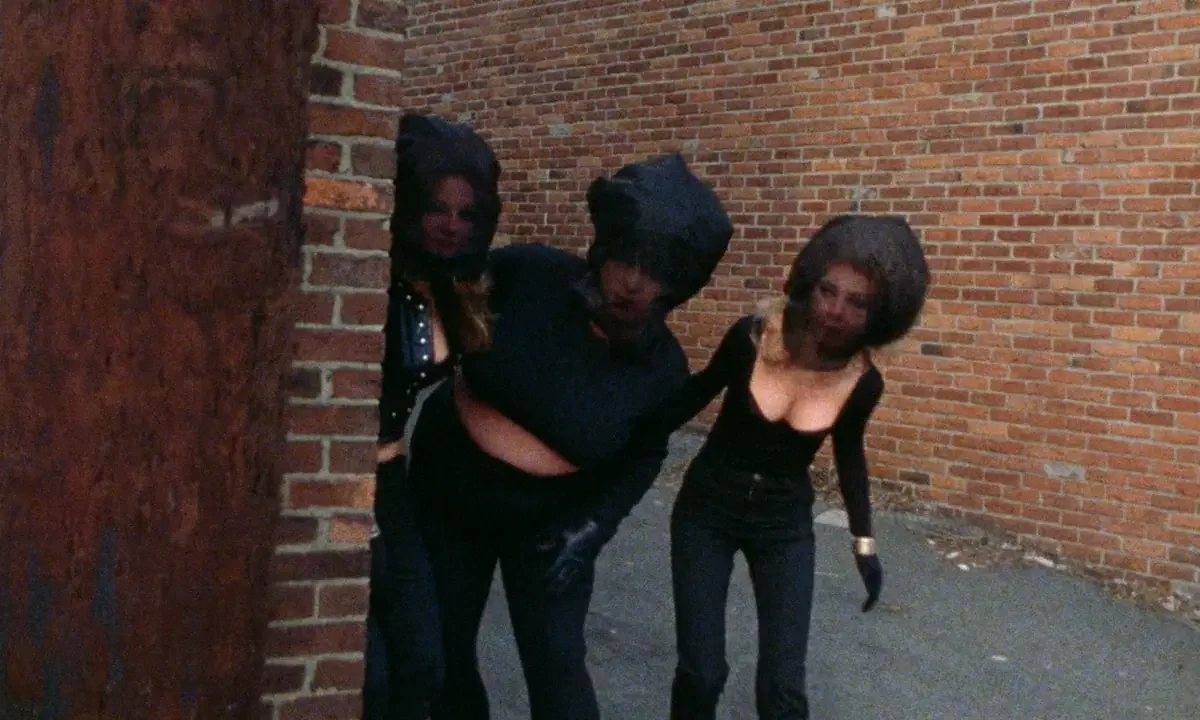
When we asked GGBH for recommendations, of films made by or starring members of the drag community, she suggested the 1974 film Female Trouble by John Waters, especially noting the lead performance:
"I think Divine was pretty amazing, especially for the fact that a lot of people thought she was (born) a woman. Quite genuinely because that was the first time a lot of people saw a drag queen on screen."
And they gave notable mention for To Wong Foo - held up by many in the community as the better drag film, ahead of Priscilla itself.
So it’s come to say, the canon has wholly served its purpose and visibility is no longer enough. The new test, or perhaps not so new, is payment and relationship. Ideally, the next great drag film will be made by someone who never had to ask permission, starring queens that are booked and paid - coming to a big screen near you.
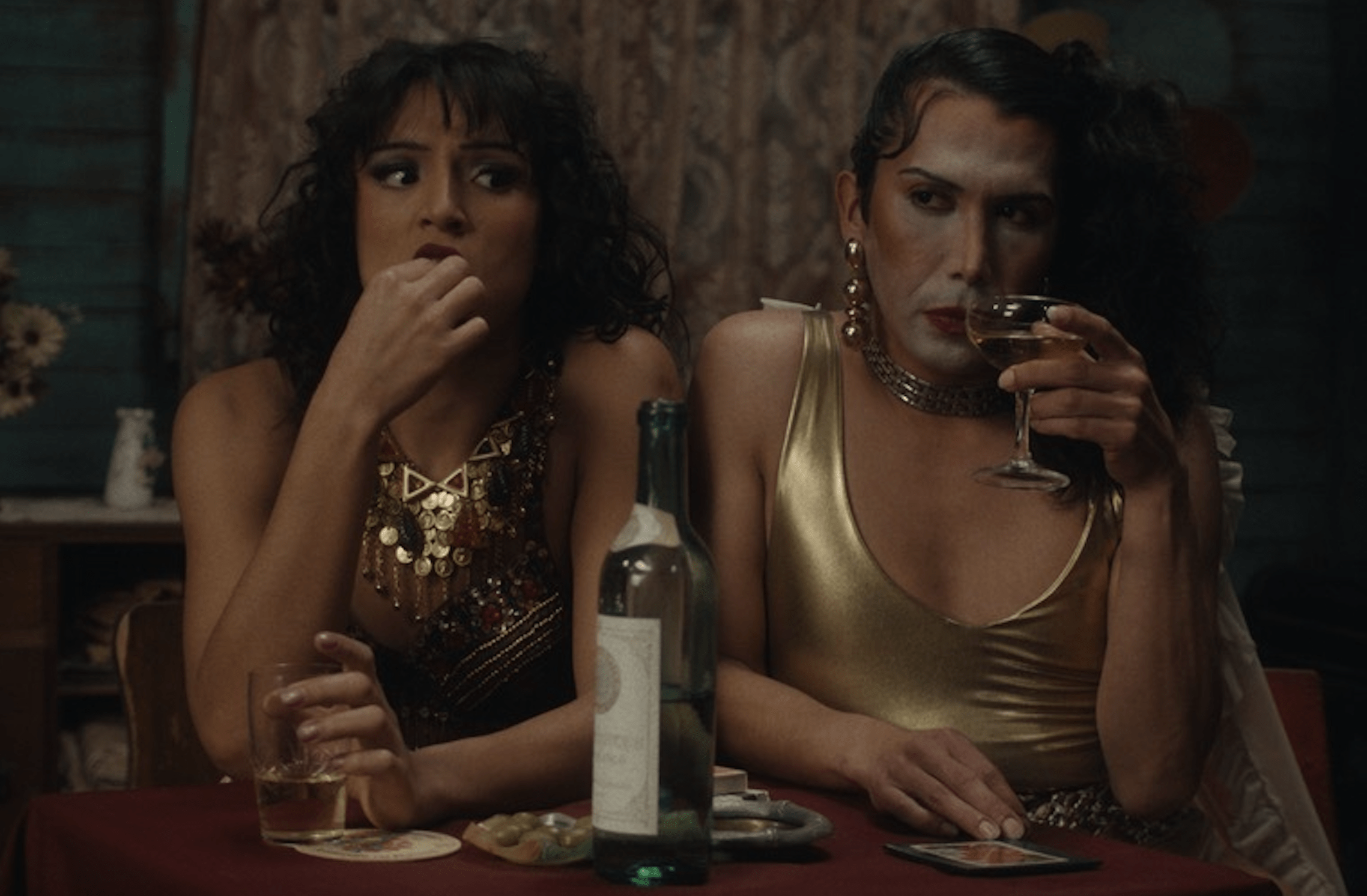
If you want to see a beautiful example of this monotone recommends watching The Mysterious Gaze of the Flamingo by Diego Céspedes. Its 1980s Chile, found family, community, an allegory for the aids crisis through the lens of a queer western.
If you want to see more from Gogo Bumhole check out @gogobumhole or their website.